

Pediatric speech, language & AAC therapy in Murfreesboro, TN

Lighting the way to communication and connection.

Child-led, play-based, neurodiversity-affirming therapy for ages 18 months to adulthood. We get on the floor, follow your child’s lead, and build communication into the play they already love.

Free Consultation Meet the therapists

  • Ages 18 months to adulthood
  • In-clinic sessions
  • Virtual sessions offered across Tennessee
Follow the fireflies

From Little Luminaries families

Reviews from families

★★★★★

Dr. Taylor has a huge part in my heart and my son’s heart! Her patience, knowledge and over all caring nature is unlike any therapist we have met with. My son’s speech and confidence has skyrocketed since seeing her. She also provides me with encouragement and exercises that I can implement at home. If you or someone close to you is in need of speech therapy, I highly recommend Dr. Taylor!

Google review

★★★★★

Dr. Taylor is an exceptional speech-language pathologist. My son is 11 years old and uses AAC, and from the very beginning she truly understood him—his strengths, his needs, and the best tools to support his communication.

Google review

★★★★★

Taylor has really made speech therapy fun for my daughter! I have watched her bloom so quickly in just a couple of months. We have tried many speech therapists before, but my daughter didn’t really respond to the therapy sessions. With Taylor my daughter now thoroughly enjoys therapy and is making gains everyday with her AAC!

Google review

★★★★★

Taylor is wonderful to work with. My 29 year old son is IDD and his speech is hard to understand. Taylor’s recommendation resulted in an assistive device being purchased for my son.

Google review

★★★★★

Taylor is amazing! She is an amazing SLP! I would highly recommend her for all speech services, AAC and IEP needs!!

Google review

Read more family stories

Start here

What brings you here?

You do not need the clinical term. Tap what sounds most like your family to see what it may mean, and how we can help.

My child uses few or no spoken words yet

It may look like

  • Pulling you to what they want, pointing, or using sounds more than words
  • A handful of words that come and go
  • Big feelings when they are not understood

How we can help

We follow your child’s lead in play to build connection and back-and-forth, and we can explore AAC so your child has a way to communicate right now. AAC supports speech; it does not replace it.

See what it may meanAbout AAC

My child talks, but their language seems behind

It may look like

  • Shorter sentences than other children their age
  • Trouble following directions or answering questions
  • A hard time telling you about their day

How we can help

We build language inside the play and routines your child already loves, so new words and ideas stick. You leave each session with simple ways to keep it going at home.

See what it may meanFree consultation

My child repeats scripts, songs, or lines from shows

It may look like

  • Echoing what they hear, right away or days later
  • Quoting favorite shows, songs, or books
  • Long phrases before single words

How we can help

Your child may be a gestalt language processor. We honor those scripts as real communication, and help your child grow them into flexible language that is truly their own.

See what it may meanAbout gestalt language

My child is hard for others to understand

It may look like

  • You understand them, but others often do not
  • Sounds left off or swapped, like “tat” for “cat”
  • Frustration, or going quiet, when they are not understood

How we can help

Articulation and speech sound therapy that feels like play, with plenty of movement, games, and silly fun, so practice never feels like a drill.

See what it may meanFree consultation

My child gets stuck on words, or stutters

It may look like

  • Repeating sounds or words, like “b-b-ball”
  • Stretching sounds, or pauses where words get stuck
  • Avoiding talking in some situations

How we can help

Warm, supportive fluency therapy that builds confidence and eases the pressure around talking, for your child and for you.

See what it may meanFree consultation

I am not sure where to start

That is okay

Most families are not sure when they first reach out. You do not need a diagnosis, a referral, or the right words. Tell us what you are noticing, and we will help you think through the next step together.

  • A free 15-minute conversation
  • An evaluation, if it would be helpful
  • A plan that fits your child and your family

Take a calm first stepFree consultation

Our approach

Child-led, relationship-focused, and full of play.

Every child is welcomed exactly as they are. Our therapy is neurodiversity-affirming, child-led, and relationship-focused, and it is also fun, creative, and a little whimsical. We follow your child’s lead wherever the play goes, and build communication right into it.

The best toy in the room

Our goal is for the therapist to be the best toy in the room. Expect puppets, lots of movement, sensory play, and kinetic sand, because children connect and communicate most when they are engaged and having fun.

  • puppets
  • movement
  • sensory play
  • kinetic sand
  • whatever your child loves
  • Neurodiversity-affirming

    Every way of communicating counts, from words and scripts to AAC, gestures, and looks. When your child says no, we listen. Therapy here is never about drills, pressure, or compliance.

  • Child-led

    Your child’s interests lead the way. We follow along wherever the play takes us, and meet your child right where they are.

  • Relationship-focused

    Connection comes first. Children share more with people they trust and enjoy, so we build that relationship before anything else.

  • Sensory-aware

    We take every child’s sensory needs into account, so your child can feel regulated, safe, and ready to connect.

  • The whole child

    We get to know your child holistically: how they play, move, feel, and learn at home and at school. That full picture shapes our approach.

  • You are part of the team

    You are welcome in the room, and you leave with simple ideas for everyday routines, so your child keeps growing all week.

Whether your child is autistic or has ADHD, is a late talker, is hard to understand, stutters, or you just have a feeling something is off, your family is welcome here.

More about how we work

DIR/Floortime

What is DIR/Floortime?

DIR/Floortime is a developmental, relationship-based approach created by Dr. Stanley Greenspan and Dr. Serena Wieder. It meets each child at their own developmental level, follows their lead, and uses warm, joyful relationships to help them grow.

DIR stands for Developmental, Individual differences, and Relationship-based. It looks at where your child is developmentally, honours the way your child’s body and senses take in the world, and uses relationships as the engine for growth. Floortime is the heart of it: we get down on the floor, join the play your child loves, and playfully build longer and longer back-and-forth from there.

We count circles, not just words. Each time your child acts, you respond, and your child responds back, a circle of communication opens and closes.

Floortime can be a wonderful fit for children who…

  • get stuck at requesting: they can ask for things, and then communication stalls
  • do not have much language yet, or any at all
  • are not engaging with others much yet, or at all

Why Dr. Taylor chose DIR/Floortime

  • Motivation from within

    Children communicate most when they have something they truly want to share, not because a reward is waiting. Floortime grows that inner spark.

  • The whole child

    Speech grows alongside regulation, play, emotions, and relationships. DIR looks at all of it together, not one skill at a time.

  • Every child is different

    Floortime honours each child’s sensory and motor differences, so therapy fits your child, not the other way around.

Gestalt language processing

What is gestalt language processing?

Some children learn language one word at a time. Others learn it in whole chunks first, called gestalts: a line from a favorite show, a bit of a song, or something a loved one says with a lot of feeling. These children are called gestalt language processors.

Repeating those chunks, called echolalia, is often the very first stage, and it is meaningful communication. Over time, with support, children break the chunks into smaller pieces and mix them into new sentences that are truly their own.

Word by word

  1. “ball”
  2. “big ball”
  3. “I want the big ball”

Chunks first (gestalts)

  1. “let’s go outside!”
  2. “let’s go” + “car”
  3. “car”
  4. “I want car”

How we use it

Gestalt language processing, and the Natural Language Acquisition (NLA) framework that describes its stages, are still being studied. We do not follow one rigid program. We take the parts that help children the most.

Dr. Taylor’s daughter developed language this way, too.

  1. We are child-led. We follow your child’s interests, because that is where their favorite language lives.
  2. We honor echolalia as communication. Scripts and repeated phrases are never something to stop. They are a way in.
  3. We model with high affect and intonation. Lively, musical, meaningful phrases are easier to take in as a whole, so we play with our voices.

Learn more about gestalt language

AAC

If your child is not speaking, we can help.

AAC (augmentative and alternative communication) gives your child a voice right now, with a speech device, an app, pictures, signs, or gestures, while spoken language keeps developing. AAC is talking, too. Research has found it does not hold back speech, and many children say more once they have a way to communicate.

  • AAC evaluations

    A thorough, play-based look at how your child communicates, to find the system and vocabulary that fit them best.

  • Help with funding

    We guide your family through the funding process for a speech device, including the reports and paperwork it takes.

  • Training for parents and team members

    We show you, and everyone who supports your child, how to model AAC and use it in everyday life.

  • Collaboration with your child’s team

    We work closely with teachers, therapists, and the rest of your child’s team, so everyone is on the same page.

Dr. Taylor is trained in these AAC systems, and when nothing on the market fits, she designs custom solutions.

  • LAMP Words for Life
  • TouchChat
  • Unity
  • Tobii Dynavox
  • Proloquo2Go

My son is 11 years old and uses AAC, and from the very beginning she truly understood him—his strengths, his needs, and the best tools to support his communication.

Google review

Explore AAC servicesFree consultation

Little moments

A peek inside the play room.

  • Our play room
  • Floor time, together
  • Puppet pals!
  • AAC is talking, too
  • Little wins, big smiles

Meet the therapists

Your child will be treated and loved like family.

We are not a big corporation. We are a small team who knows every child by name, remembers what they love, and thinks about your family between sessions too. We keep caseloads small on purpose and work closely together, so every child gets our best.

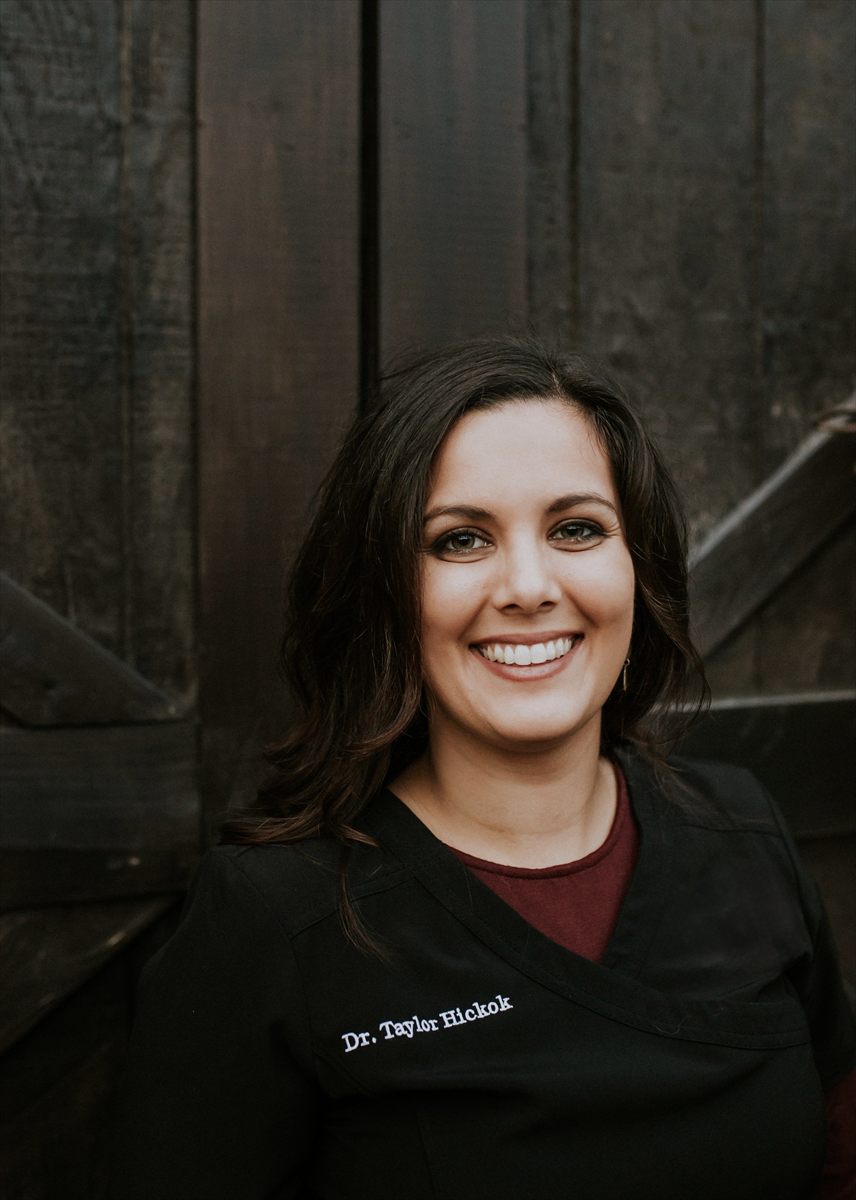
Portrait of Dr. Taylor Hickok, smiling, wearing black scrubs embroidered with her name.

Dr. Taylor Hickok

DBH, CCC-SLP · Founder

  • Autism & ADHD
  • AAC
  • Language development
  • Executive functioning
  • Social skills
  • Neurodivergence

Dr. Taylor has a deep understanding of autism and ADHD, and a deep respect and passion for neurodivergence. She is AuDHD herself and is raising a child with autism and ADHD, so she knows this path as a parent and as a therapist.

Trained in the Meaningful Speech gestalt language processing course, DIR/Floortime (working toward Basic Certification), and the AAC systems LAMP Words for Life, TouchChat, Unity, Tobii Dynavox, and Proloquo2Go.

“What is language but just a way to connect with the people we love?”

At the heart of it all, she wants every child to feel seen, loved, and connected, and she gets there by supporting communication and language.

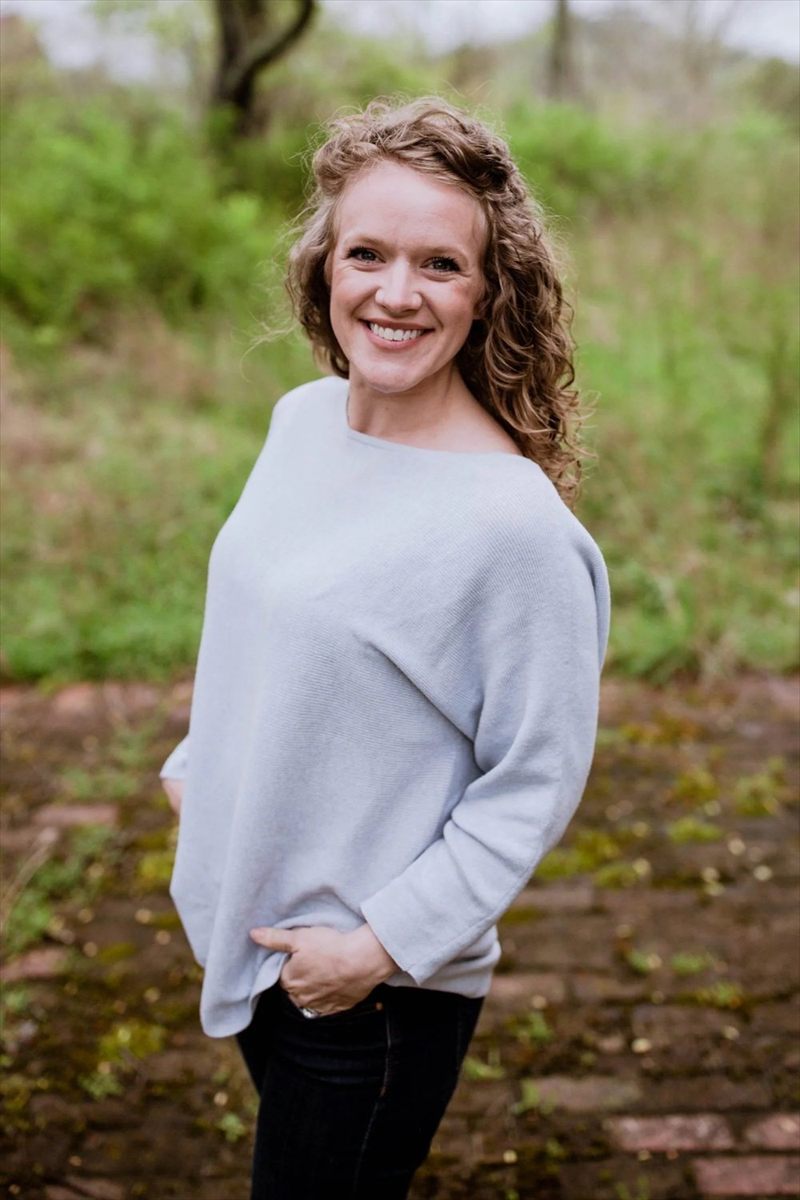
Portrait of Kristin Hunzicker, smiling, with curly reddish-blonde hair, wearing a light blue sweater, outdoors with greenery behind her.

Kristin Hunzicker

MS, CCC-SLP

  • Early intervention
  • Articulation & speech sound disorders
  • Fluency
  • Trauma-informed care (TBRI)

Kristin has 12 years of experience in pediatric speech therapy, and a huge passion for trauma-informed care. She is certified in TBRI (Trust-Based Relational Intervention). She believes meaningful progress begins with trust, connection, and understanding.

She thoughtfully plans and designs each session to meet children where they are and follow their interests, so every child feels safe, confident, and celebrated.

Kristin loves children and is a mom of four herself, including one neurodivergent child, so she knows this journey personally and professionally.

Kristin at play

Shared space, shared values

Our clinic neighbors at Cultivate Play

We share our clinic space with Cultivate Play, a separate occupational therapy practice with the same child-led values. We collaborate often.

  • AlyssaDIR/Floortime proficient OT
  • ValerieOT provider, in the process of getting Floortime certified
Visit Cultivate Play (opens in new tab)

Read our full bios

How we help

Three ways we can help

Every path starts with a free consultation and a conversation about what you are noticing.

A place to begin, together

  1. Start with a free 15-minute conversation
  2. Complete an evaluation if it would be helpful
  3. Build a therapy or coaching plan that fits your family

No referral needed. We accept BCBS commercial plans and private pay.

Rates & insurance

Free consultation

Wondering whether Little Luminaries is the right fit?

A free consultation is a real conversation—no referral needed, and no pressure either way.

Free Consultation

Text or call (615) 900-4420 (texts get the quickest reply) · No referral needed.